
Your Winter Home Maintenance Checklist
As the days get shorter and the weather turns colder, your home starts working overtime to keep you warm, safe, and comfortable. But before the first deep freeze or heavy snowfall hits, it’s a smart idea to run through a winter maintenance checklist. A few preventative tasks now can save you from costly repairs, high utility bills, or even mid-winter emergencies down the road.
Let’s walk through the key areas to focus on to make sure your home is fully winter-ready.
Start with the Heating System
Your heating system is the heart of your home in the winter. Whether you have a furnace, heat pump, or boiler, make sure it’s been professionally serviced before peak usage begins. A seasonal tune-up can improve energy efficiency, prevent unexpected breakdowns, and extend the life of your equipment. It’s also a good time to replace the air filter, which should be swapped out every one to three months, depending on the type. If you haven’t done so already, test your thermostat and make sure it’s programmed for comfort and energy savings—many homeowners find that 68°F during the day (when people are home) and slightly cooler at night works well.
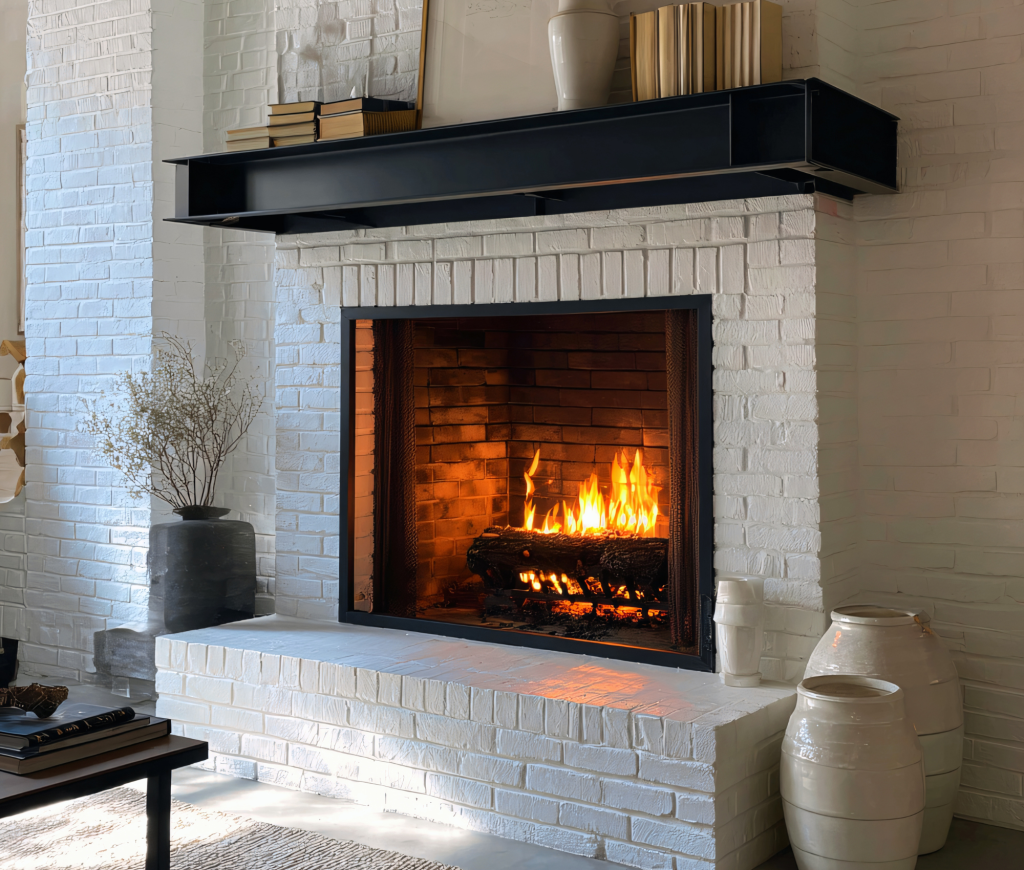
Fireplace and Chimney Safety
If you’re planning to use a fireplace this winter, it’s essential to have it inspected—especially if it burns wood. Creosote buildup inside the chimney is a serious fire hazard, and blockages from debris or animal nests can cause dangerous smoke backups. Even gas fireplaces should be checked annually to make sure all the components and ventilation are in good shape. This is also a great time to double-check your carbon monoxide and smoke detectors to make sure they’re functioning properly. A few simple checks can go a long way in keeping your home safe during the colder months.
Address Drafty Windows and Doors
Drafts are more than just uncomfortable—they can drive up your heating bill. Take a walk around your home and check for any cold air coming in around windows and doors. Applying caulk to gaps or replacing worn-out weatherstripping can make a big difference in your home’s energy efficiency. You might also consider adding thermal curtains to help insulate windows, especially in older homes. If you notice any windows or doors that are particularly leaky, it may be time to consider repairs or replacements, even if temporarily using plastic window insulation kits in the meantime.
Clean Out Gutters and Downspouts
Clogged gutters can lead to all kinds of issues in the winter, especially ice dams. When water can’t flow freely through your gutter system, it can freeze and back up under your shingles, causing leaks and damage to your roof and siding. Cleaning out your gutters once the last leaves have fallen is a small task that can prevent big headaches later. While you’re at it, make sure your downspouts are directing water well away from your home’s foundation—at least five feet is recommended to reduce the risk of basement leaks or soil erosion.
Protect Your Pipes from Freezing
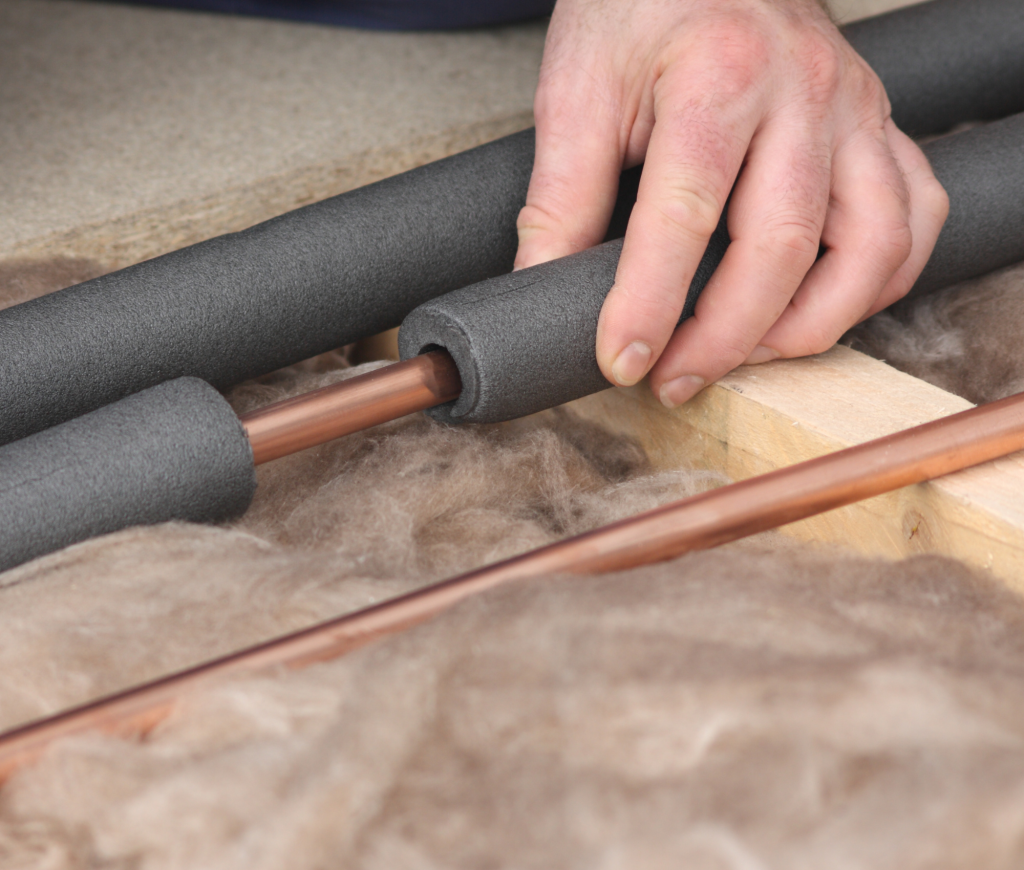
Frozen pipes are one of the most common and damaging winter home issues. When water freezes inside your plumbing, it expands—and that pressure can cause pipes to burst, leading to flooding and major repairs. To avoid this, insulate exposed pipes in unheated areas like basements, garages, or crawl spaces. If you haven’t already, shut off and drain your outdoor water lines and disconnect any garden hoses. On particularly cold nights, leaving a trickle of water running from faucets can help prevent freezing. And even if you’re leaving town, be sure to keep your heat on and set above 55°F to protect your plumbing while you’re away.
Check the Roof and Attic
Your roof is your first line of defense against snow, ice, and freezing rain. Before winter weather sets in, take some time to inspect it—either by climbing up yourself (if it’s safe to do so) or by hiring a professional. Look for missing or damaged shingles, check the flashing around chimneys and skylights, and make sure your attic is properly insulated and ventilated. Insufficient attic insulation can cause warm air to rise and melt snow unevenly, leading to ice dams that damage your roof and gutters. While it may not seem urgent now, roofing problems are a lot harder to fix in the middle of winter.
Winterize Outdoor Areas
While most of your attention might be on the inside of your home, don’t forget to take care of outdoor areas too. Cover or store patio furniture, grills, and garden tools before snow and ice start to accumulate. Trim any overhanging tree branches near your roof or power lines—they can become dangerous when weighed down with snow. You’ll also want to check that exterior lighting is working properly, especially along walkways and entry points, since darker evenings mean you’ll be relying on those lights more than usual.
Prep Snow Removal Tools and Supplies
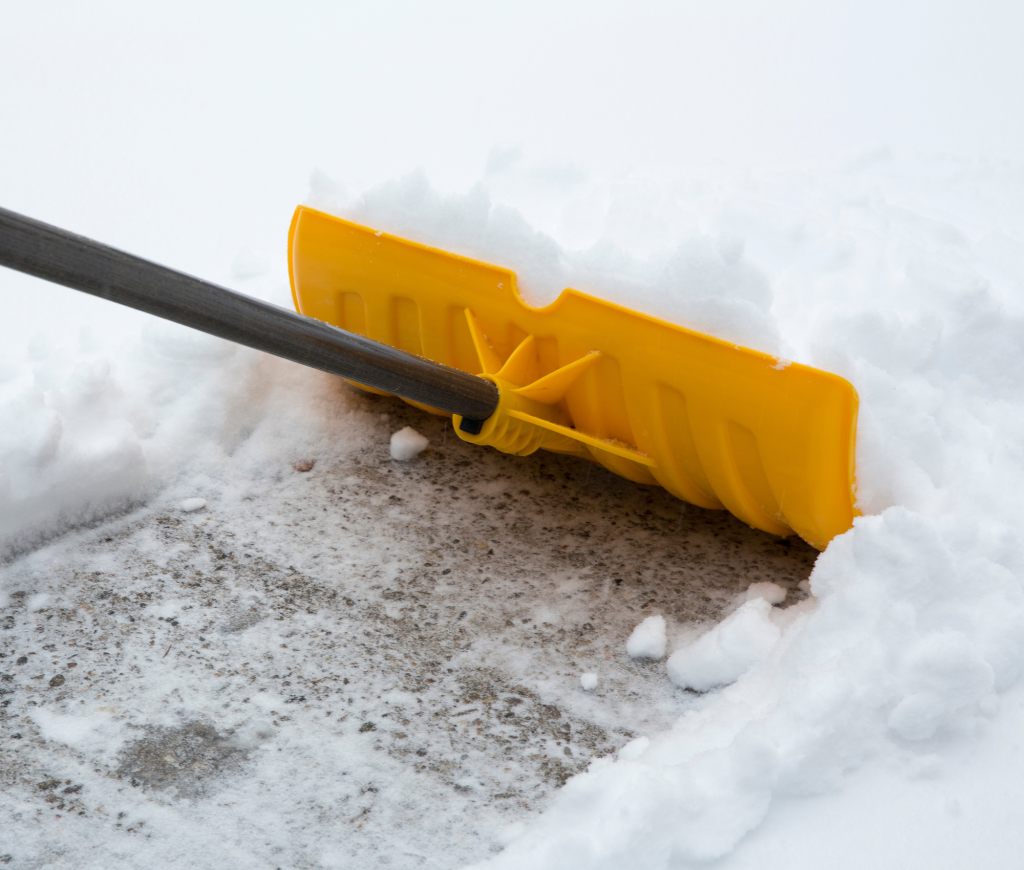
Don’t wait for the first big snow to realize your snow blower won’t start. Take a few minutes now to test it, refill the gas, and check that it’s in working condition. If you rely on shovels, make sure they’re in good shape and easy to access—not buried behind your lawn chairs in the garage. Stock up on sidewalk salt or sand and keep a stash near your front and back doors. The last thing you want to be doing is driving around in bad weather trying to find winter supplies after they’ve sold out.
Put Together (or Refresh) Your Emergency Kit
Power outages are more common in the winter due to heavy snow and ice, so it’s smart to have an emergency kit ready just in case. At a minimum, this should include flashlights, batteries, non-perishable food, bottled water, a first-aid kit, and extra blankets. If you have a portable generator, make sure it’s working and that you have fuel stored safely. It’s also worth making sure your phone chargers, weather radios, and any backup heat sources are ready to go. A little preparation now can make a huge difference during an unexpected winter event.
Final Thoughts
Taking the time to do a thorough winter maintenance check may not be the most exciting weekend project, but it pays off in comfort, energy savings, and peace of mind. Whether you’re a first-time homeowner or have been through dozens of winters, these steps help protect your investment and make the season a lot more manageable.
And remember—homeownership doesn’t stop at closing. If you ever have questions about maintaining your property or planning upgrades that add long-term value, connect with a licensed mortgage loan originator or experienced lender from our team. We’re here to help, no matter the season.
Ready to buy a home of your own? Our team of Mortgage Experts can help!